Africa, a continent renowned for its diverse wildlife and breathtaking landscapes, is at a crossroads. The delicate balance of its ecosystems is under threat, and the future of its iconic species hangs in the balance. In this conservation spotlight, we delve into the critical efforts being made to protect endangered species and ecosystems in Africa.
The importance of conservation in preserving Africa’s biodiversity
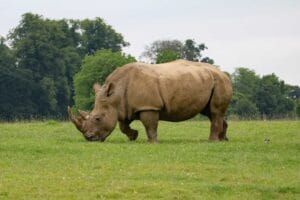
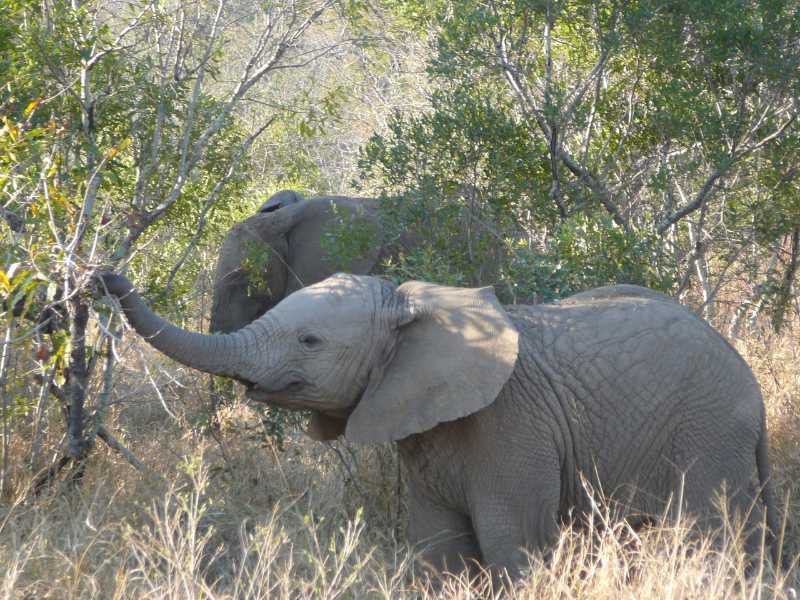
Conservation is crucial for preserving Africa’s rich biodiversity, which includes some of the most iconic and endangered species on the planet. From the majestic African elephant to the elusive black rhinoceros, Africa’s wildlife is a testament to the continent’s natural heritage. Understanding each species’ value and role within their respective ecosystems is essential for implementing effective conservation strategies.
Challenges Faced by Endangered Species and Ecosystems
Despite the importance of conservation, Africa’s wildlife faces numerous challenges, including habitat loss, poaching, and human-wildlife conflict. These threats not only endanger individual species but also disrupt entire ecosystems, leading to a decline in biodiversity. It’s crucial to identify these challenges and understand their underlying causes to develop targeted and sustainable conservation solutions.
Role of Conservation Organisations and Initiatives
Conservation organisations and initiatives play a pivotal role in protecting Africa’s endangered species and ecosystems. Through research, advocacy, and on-the-ground conservation efforts, these organisations are working tirelessly to safeguard Africa’s natural heritage for future generations. Educating the public, influencing policy, and collaborating with local communities are key components of their work, highlighting the importance of collective action in conservation.
Threatened Wildlife in Africa; Iconic Species at Risk
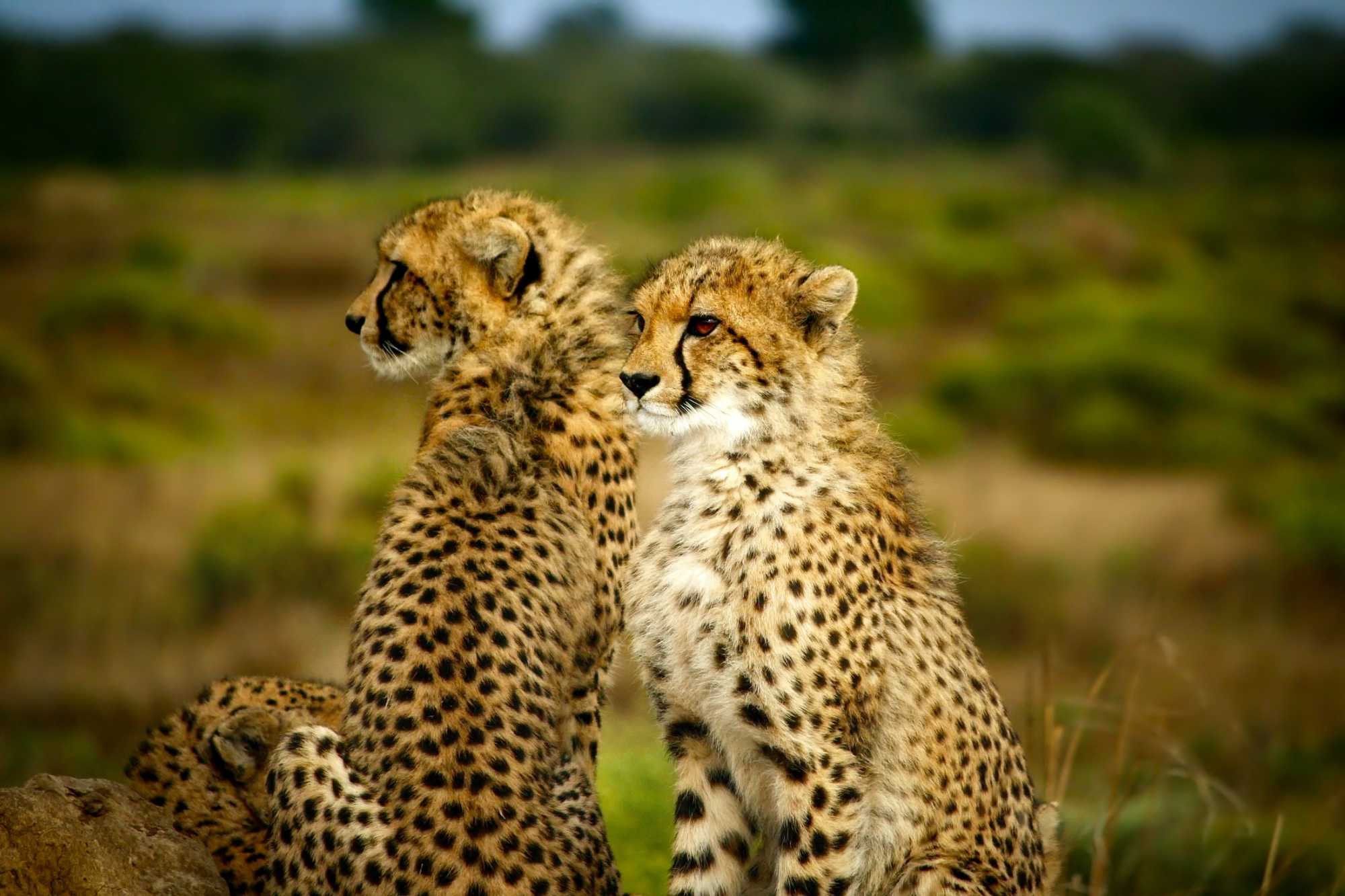
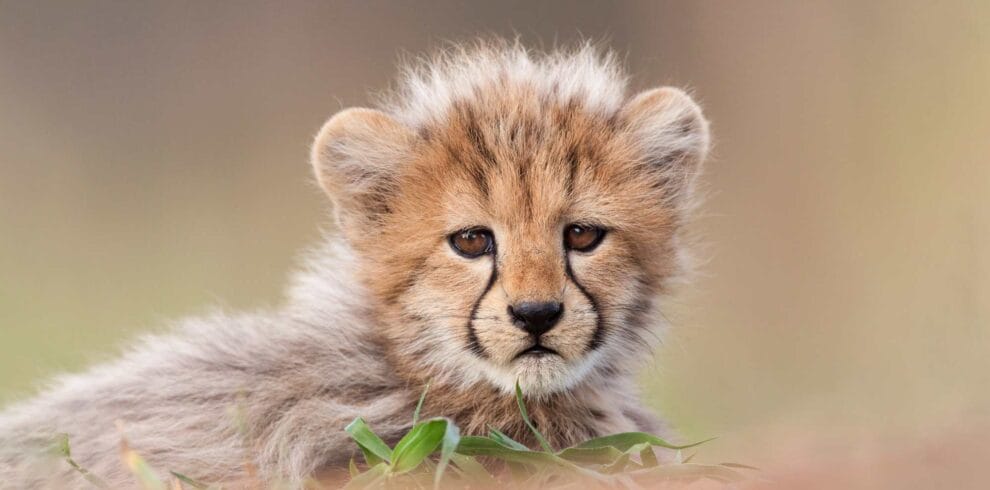
Some of Africa’s most iconic species, such as the African elephant, lion, and cheetah, are facing the threat of extinction due to various factors, including poaching, habitat loss, and human-wildlife conflict. These species are not just symbols of Africa’s natural heritage but also play a crucial role in maintaining the health and balance of their respective ecosystems. Learning about the biology, behaviour, and ecological importance of these species can foster a greater appreciation for their conservation.
Causes of the Decline in Wildlife Populations
The decline in Africa’s wildlife populations can be attributed to a combination of factors, including illegal poaching for the wildlife trade, habitat destruction due to human encroachment, and climate change. These threats, if left unchecked, could lead to irreversible damage to Africa’s ecosystems. Understanding the interconnected nature of these threats and their cumulative impact on wildlife populations is essential for devising effective conservation strategies.
Efforts to Protect Endangered Species
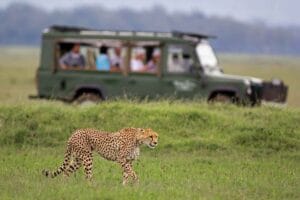
Despite the challenges, there are numerous efforts underway to protect Africa’s endangered species. Conservation organisations, governments, and local communities are collaborating to establish protected areas, implement anti-poaching measures, and promote sustainable wildlife tourism to ensure the survival of these iconic species. Highlighting these successful initiatives and sharing best practices can inspire and inform future conservation efforts.
Successful conservation projects in Africa
There have been notable successes in conservation efforts across Africa, with several species making a remarkable recovery thanks to targeted conservation initiatives. For instance, the mountain gorilla population in Uganda and Rwanda has seen a significant increase in recent years due to concerted conservation efforts. Studying these success stories can provide valuable insights into effective conservation practices and inspire similar efforts in other regions.
Impact of Community Involvement in Conservation
Community involvement is key to the success of conservation projects in Africa. By engaging local communities in conservation efforts, organisations can build support for wildlife conservation, promote sustainable livelihoods, and reduce human-wildlife conflict. Empowering local communities through education, capacity building, and economic opportunities can foster a sense of ownership and stewardship over natural resources.
The Role of Technology in Conservation Efforts
Technology, such as satellite tracking, drones, and DNA analysis, is playing an increasingly important role in conservation efforts in Africa. These innovative tools enable researchers and conservationists to monitor wildlife populations, track poaching activities, and implement effective conservation strategies. Embracing technological advancements and integrating them into conservation programmes can enhance monitoring and evaluation, leading to more informed decision-making and targeted interventions.
The importance of preserving ecosystems
Ecosystems play a vital role in supporting Africa’s biodiversity and providing essential services to local communities, such as clean water, food, and climate regulation. Preserving these ecosystems is crucial for maintaining the health and resilience of Africa’s natural environment. Understanding the ecological functions and services provided by different ecosystems can highlight their importance and inform conservation priorities.
Threats to African Ecosystems
African ecosystems face a range of threats, including deforestation, overgrazing, and pollution, which can lead to habitat destruction, soil erosion, and the loss of biodiversity. These threats pose significant challenges to the long-term sustainability of Africa’s ecosystems. Identifying the root causes of these threats and developing holistic conservation strategies that address both environmental and socio-economic factors is essential for ecosystem preservation.
Conservation strategies for ecosystems
To address these challenges, conservationists are implementing various strategies to protect and restore African ecosystems. These include establishing protected areas, promoting sustainable land management practices, and engaging local communities in conservation efforts. Adopting an integrated and multi-disciplinary approach to ecosystem conservation can enhance resilience, promote biodiversity, and ensure the sustainable use of natural resources.
Supporting conservation organisations
Individuals can make a difference by supporting conservation organisations through donations, volunteering, and raising awareness about conservation issues. By contributing to these organisations, individuals can help fund critical conservation projects and make a positive impact on Africa’s natural heritage. Understanding the work of conservation organisations and the importance of their mission can inspire individuals to get involved and contribute to collective conservation efforts.
Adopting sustainable practises
Adopting sustainable practices in daily life, such as reducing waste, conserving water, and supporting sustainable products, can also contribute to conservation efforts. These small actions can collectively make a significant difference in reducing the environmental footprint and promoting sustainability. Educating oneself about sustainable living and implementing eco-friendly practices can help individuals reduce their impact on the environment and support conservation goals.
Raising awareness about conservation issues
Raising awareness about conservation issues is essential for building public support for conservation efforts and influencing policy decisions. Individuals can educate themselves and others about the importance of conservation and the threats facing Africa’s endangered species and ecosystems. Sharing information, participating in conservation campaigns, and engaging in dialogue with friends, family, and community members can help raise awareness and foster a culture of conservation.
Conservation is a collective responsibility that requires the collaboration of governments, organisations, communities, and individuals to protect Africa’s endangered species and ecosystems. By understanding the importance of conservation, supporting conservation efforts, and adopting sustainable practices, we can all contribute to preserving Africa’s rich biodiversity for future generations.
Embark on a transformative journey with Africa Roar. We are committed to responsible and sustainable travel in Africa. Explore the continent’s incredible wildlife, breathtaking landscapes, and vibrant cultures while making a positive impact on conservation. Together, we can make a difference and ensure that Africa’s natural heritage continues to thrive for years to come.